
Exploring Albania by boat is definitely an adventure, but it is a coastline defined by sharp contrasts. Straddling the border of the Ionian and Adriatic seas, this stretch of water offers dramatic, untouched landscapes, though the formal maritime infrastructure remains very much in its infancy.
Seamanship is always relative. While Albania isn’t a place you would choose for your very first cruise or independent charter—and some fleet companies won’t even allow you to cross the border into Albanian waters—it is highly rewarding for those looking to expand their coastal cruising horizons.
Here is our honest, real-world logbook guide from our recent transit on board our Beneteau Oceanis 41.1, All Winds.
Albania Cruising: Quick Logistics Overview
- Entry Port: Sarandë (Coming from Corfu, Greece)
- Customs Clearance: Obligatory to use a maritime agent
- Best Shelter Found: Sazana Island (South-east corner)
- Marina Infrastructure: Orikum Marina is currently the only operational yacht marina in the country (though we didn’t stop there on this leg).
- Commercial Ports: It is possible to berth in some of the commercial ports like Durres
- Fuel/Water: While in theory fuel and water can be arranged at ports like Sarande, Durres or Himarë, the reality is that it is at best complicated. The Marina in Orikum is probably your best bet. But better still, top up on both when sailing from Italy, Greece or Montenegro so that you are stocked up for your stay in Albania.
Crossing the Border to Sarandë: Exiting the EU
Sailing across the strait from Tzoufaka Beach on Corfu takes just over an hour. It is important to note the legal boundaries here: you officially leave the EU before entering the bay in Sarandë, which means your yellow quarantine flag (Q-flag) should already be flying by the time you approach the harbour.
If you have been in touch with a local maritime agent in advance, the check-in process is straightforward. These agents regularly monitor the port radio and will be tracking your arrival. Our agent met us right as we anchored in the bay of Sarandé, handled our paperwork with impressive efficiency, and gave us a solid briefing on cruising the country. In Albania, using an agent to check in is mandatory, but it does make the process painless and is not hugely expensive. (Approx 75 Euro per clearance entry or exit)
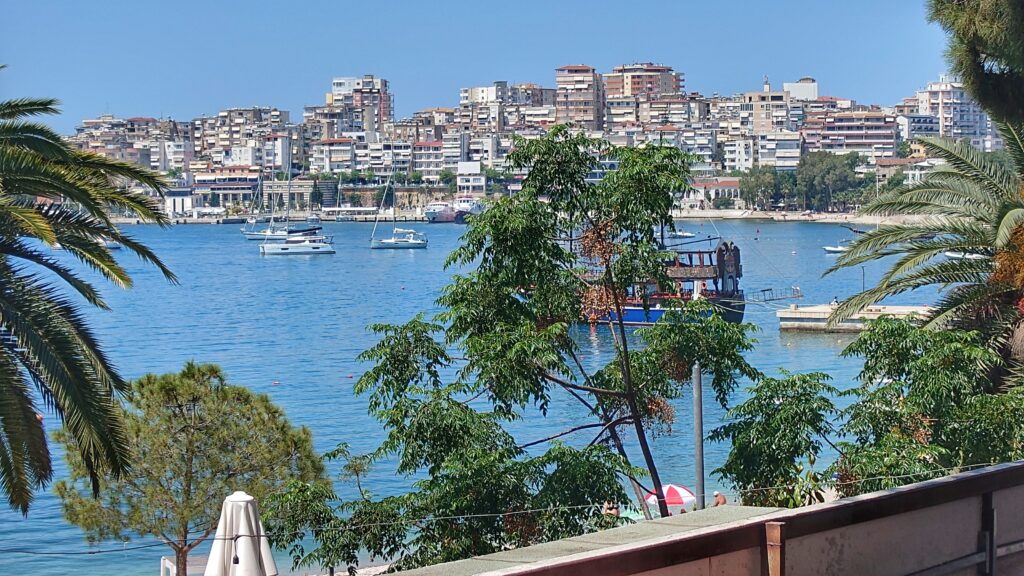
The town of Sarandë itself presents an immediate wall of rapid high-rise development and glittering hotels along the waterfront. Yet the moment you walk just one street back from the tourist facade, you quickly realise it is a complex mix of new-money affluence and deep systemic poverty shaping Albania’s modern story.
💡 Planning your first sailing holiday? Albania is an incredible destination to visit once you have some nautical miles under your belt. If you are planning your very first bareboat charter, you will want a destination with effortless mooring and turn-key marinas. Check out our First-Time Charter Guide on our website. Our Worldwide Charter Agency specialises in helping new skippers safely source and book beginner-friendly boats across the Ionian, Adriatic, or Tyrrhenian seas, and we handle all the fleet logistics for you.
Administrative Details
Currency
The local currency is the Albanian Lek (ALL), with the exchange rate hovering around 1 Euro to 90 Lek. For quick mental math, we simply treated it as 1 to 100. Euros are widely accepted, but cards are not always taken outside of the main cities like Durres and Sarandé.
Phones
Albania is not in the EU (although it is looking to join), so roaming from an EU phone here is quite expensive. Albanian SIM cards are readily available and reasonably priced and can be used in other non-EU Balkan countries such as Montenegro with no roaming charges. (We purchased a Vodafone card and used it also when we sailed on to Montenegro)
Agents
Unlike Montenegro, an agent is a requirement to check into Albania. There are many available and all charge similar rates of about 70 Euro or so. (Budget 50 to 100 Euro for check-in and to check out again). The Agent makes the process very easy and quite relaxed, as well as being able to give you tips on things to do and places to visit locally.
The Albanian Riviera: Porto Palermo and the Himarë Swell
By the time we returned to All Winds, a solid 16 knots of onshore wind had filled in, and the bay of Sarandë had transformed into a chaotic playground of day-tripper boats. We pulled up the anchor and pointed the bow north toward the historic anchorage of Porto Palermo.
The Navigational Reality: The fish farms at Porto Palermo are marked on Navionics charts, but their full extent is not fully detailed. It is entirely possible to anchor in the bay, but because we weren’t completely satisfied with both a safe anchorage and a safe getaway, we decided to not risk it. Where we would have liked to anchor was to the south of the castle on the peninsula in the middle of the bay. This would be inside the fish farms, and we saw reports on Navily of people getting fouled on the ground tackle from the fish farms. While we could have safely anchored in daylight, we would have been trapped if something went wrong in the dark.
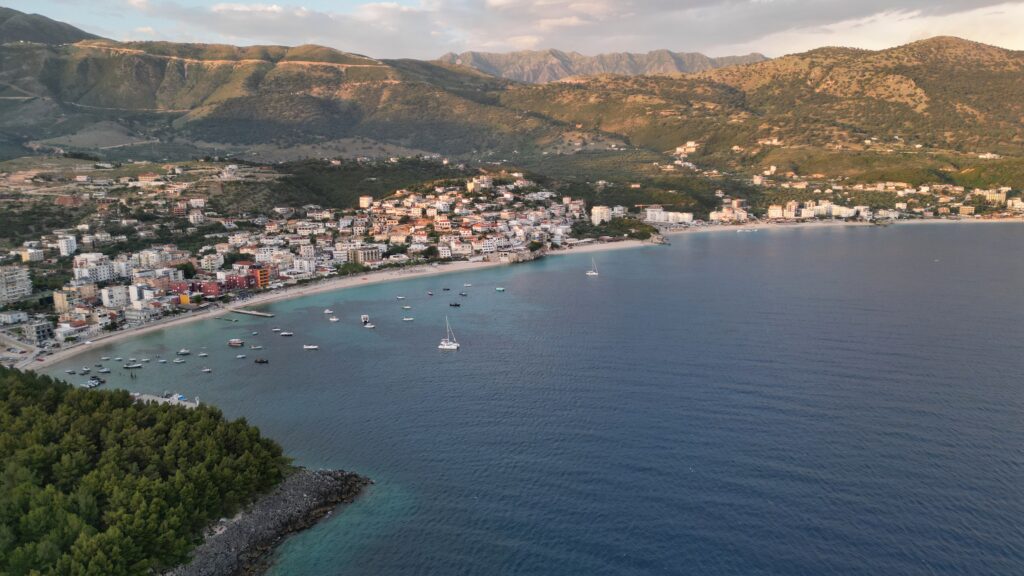
Himarë was a peaceful seaside village, but getting the boat to stay put was a challenge. We struggled to find decent holding as the bottom seemed to be a layer of sand over harder rock or dense sand, and the anchor gripped initially, but it was difficult to get it to bed firmly in. The open geometry of the bay allowed a persistent, uncomfortable swell to roll straight in, leading to a thoroughly restless night.
Grama Bay to Sazana: Deciding to Bear Away
After a restless night in Himarë, we weighed anchor early, hoping the coastline would offer something more hospitable further north. Based on reviews from other cruisers, we pinned our hopes on Grama Bay.
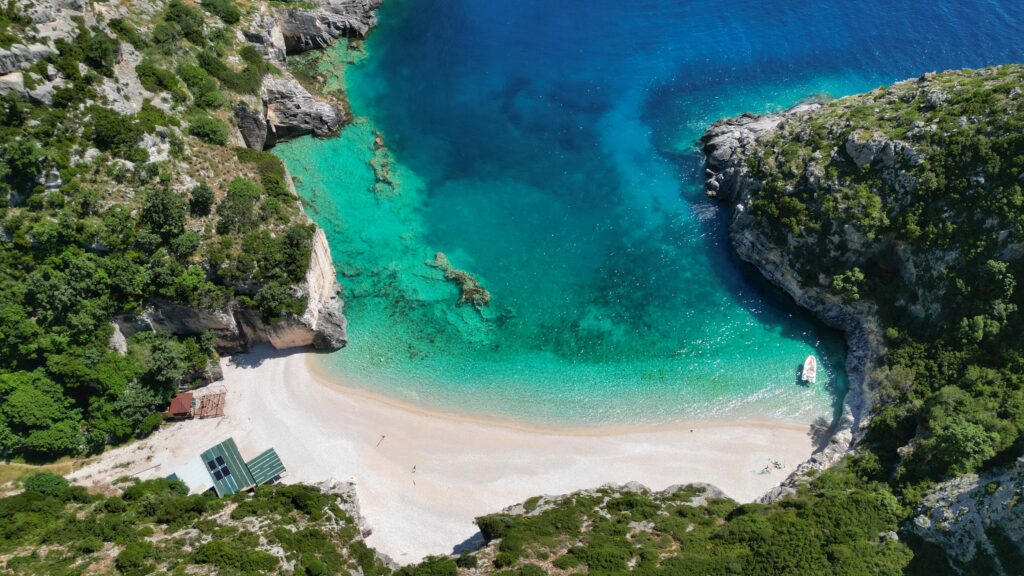
Grama Bay is visually stunning—a pristine, turquoise cove cut into the high cliffs. You enter through a dog-leg with the beach at the back of the bay obscured when looking in from the sea. There is a certain sense of foreboding when entering the narrow entrance, but once you are in, it looks like the kind of idyllic beach you might find on a Hollywood castaway movie. However, it is not really suitable for anchoring except in the calmest of conditions, and preferably only with very small boats. The bay is tiny, spanning only a few boat lengths of usable width, with a rocky shelf extending along the entire southern side (not well charted!). Seeing nowhere to get the satisfactory anchor hold we wanted (and not wanting to be actual castaways on the beach!), we turned the boat around and steamed back out to the open sea.
The moment we cleared the cliffs of the bay, the wind kicked up instantly. We quickly put in the first reef, and shortly after, we were down to the second reef and just a scrap of jib. The wind was now howling at a steady 30 knots directly on our nose.
Beating into a short, steep, and punishing head sea, our tacking angles were poor, and we faced 20 miles of exposed water before finding any reliable shelter at Sazana Island. Weighing up our options, we decided it was prudent to bear away; there was little sense in punishing the rigging or the crew.
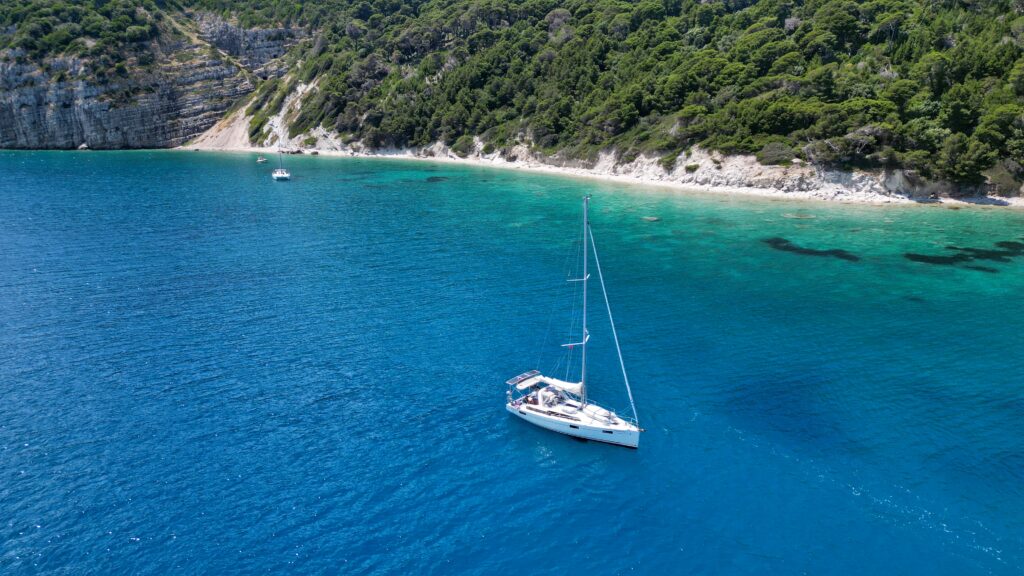
We turned downwind and ran back south to seek shelter behind the cliffs of Gjipe Beach. While it wasn’t an amazing, fully protected shelter, it successfully got us out of a spot of bother for the night under towering canyon walls.
Sazana Island and General Chart Observations
The following morning, we restarted our trek north toward Sazana Island, which ultimately provided our only truly relaxed, peaceful night’s sleep on the entire Albanian coast.
Strategic defence lookout stations, concrete gun turrets, and military tunnels are carved into the cliffs here at every angle. It sits at a unique political crossroads; the island has become the focus of a proposed $ 1.4 billion luxury resort development backed by Affinity Partners (linked to the Trump family), which has drawn significant international media attention and local environmental scrutiny regarding the rezoning of this former military enclave.
We hadn’t planned going ashore on Sazana, but seeing the defensive structures and reading about the history of the island made us feel that we had to get some first-hand experience of what the island was like, so we jumped in “smAll Winds” (our dinghy) and motored up to the harbour on the east side of the island. As it was a Sunday in early June, the harbour was full of day-tripper boats (and quite some litter), but you could immediately see the touristic potential for this stunning island. Hopefully in a way that the Albanian people and tourists with a more normal budget will be able to enjoy for years to come.
There is still a small military presence on the island, and anchoring in the harbour is not allowed overnight (at the time of our visit), but anchoring on the southeast corner is allowed despite what it says on the Charts about it being a prohibited military zone.
A Note on Inaccurate Charts: Our passage around Sazana and the northern coast highlighted a definitive rule for navigating Albania: digital charts are frequently out of date. We encountered depths that clashed with reality and markers for coastal inlets that simply did not exist. To manage this safely, we constantly cross-referenced our chartplotter with user-reported data on Navily and the pilotage notes within the Imray Adriatic Pilot and kept a constant eye on the depth sounder. Safe navigation here requires slowing down, cross-checking multiple platforms, relying heavily on traditional visual piloting and checking your depth sounder.
Anchoring in the Open Sea: Punta Samaná
Once you leave Sazana, the dramatic 2,000-meter mountains plunge away, replaced by a featureless, low-lying horizon. There are zero natural bays or headlands to hide behind, and the water is so shallow that you can find yourself two miles offshore in just 10 meters of water.
With no options on the chart, losing daylight before Durrës and not wanting to navigate in the dark with shallow water and poor charts and many unlit black flag fishing markers, we were forced to anchor outside a remote river mouth near Punta Samaná.
This wasn’t a standard anchorage; we were sitting more than a mile away from the sandy beach in 6 meters of completely open water. The relentless residual swell rolled in continuously from the open sea. We rigged a bow-and-stern bridle system to try to force All Winds to head directly into the oncoming waves, but against competing coastal currents, it proved an ineffective solution. We spent a thoroughly exhausting night rolling in the open sea, waiting for dawn to pull the chain and keep pushing north toward Montenegro.
Commercial Realities and Logistical Nuances: Durrës
We weighed anchor at first light to escape the rolling swell of Punta Samaná, steering north along the low-lying coast toward Durrës. As Albania’s principal commercial shipping port, Durrës presents an entirely industrial environment. The dramatic Riviera cliffs disappear, replaced by a busy harbour landscape dominated by container ships, large Adriatic ferries, and heavy commercial concrete piers.
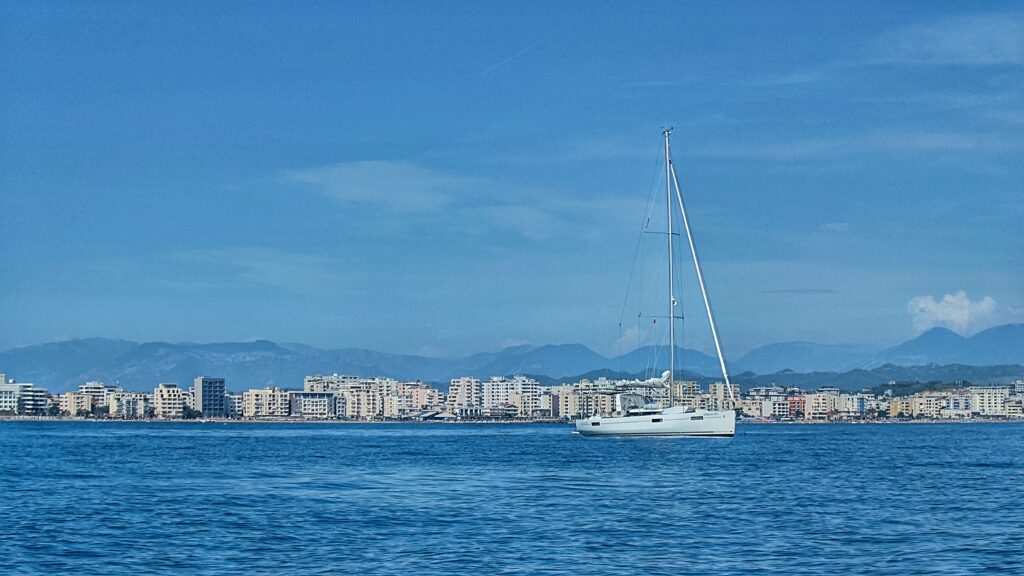
While there is an option to execute a Greek-style Med mooring alongside the concrete quay wall inside the main basin, the constant surge from commercial shipping traffic makes this less than ideal. We chose instead to anchor outside the main industrial harbour limits and use our dinghy to head ashore to meet our agent for clearance.
- Logistical Tip: If you tie up or land inside the commercial port area, accessing the town of Durrës on foot is exceptionally difficult and potentially hazardous, as the industrial complex is isolated from the town centre by a major motorway. For future cruisers, we highly recommend taking your dinghy directly to the public beach promenade to access the town, either before checking out or immediately after checking in.
Clearing Customs and a Night Departure
Our agent met us at the port, collected our entry documentation and crew passports, and managed the exit clearances efficiently while we coordinated our departure. However, upon returning to All Winds, we were faced with a sudden change in the forecast. A line of thunderstorms had developed and was tracking across the Bay of Shëngjin to the north, with relatively high CAPE out in the Adriatic basin.
Rather than running directly into a convective system in a shallow bay, we chose to hold our position at anchor until approximately 21:00, allowing the initial storm cells to move through. We then weighed anchor and pointed the bow northwest into open water, tracking well out to sea to give the coastal weather systems a wide berth on our way to Bar, Montenegro.
- Navigational Warning for Durrës Approach: Navigating the Bay of Durrës requires some vigilance, particularly in low visibility. During our night departure, we noted that a number of cardinal buoys were completely off station compared to our charts. Furthermore, the outermost port lateral buoy marking the channel approach was entirely unlit. In an area with substantial commercial traffic and shallow shoals, skippers should rely heavily on radar, cross-reference visual soundings, and maintain conservative speed lines when entering or exiting after dark.
Explore the Sea with All Winds Adventures
Exploring Albania by boat was not without challenges, but seeing the beauty of the coastline and getting away from the main Mediterranean tourist areas was highly rewarding. We got to experience a raw coastline which is currently in transition. It was an unforgettable experience once you have the right foundations to manage the lack of infrastructure safely.
It’s worth noting that when sailing Albania in the event of an emergency, your most direct downwind safe harbour may be in another country; this may provide entry/exit complications and/or fines if not managed correctly. At one point when we were bearing away after Grama Bay, we were initially thinking of heading to Ereikoussa or Othonoi in Greece before heading back to Gjipe Beach.
Whether you are looking to build your confidence or book your next holiday, All Winds Adventures is your partner on the water:
- Charter All Winds Directly: Our beautifully upgraded Beneteau Oceanis 41.1 is available for private bareboat charter bookings out of our base in Croatia.
- Worldwide Charter Brokerage: Looking to charter a monohull or catamaran somewhere else in the Ionian, Adriatic, or Tyrrhenian seas? As an independent agency, we source quality boats worldwide at competitive rates, managing the fleet logistics for you.
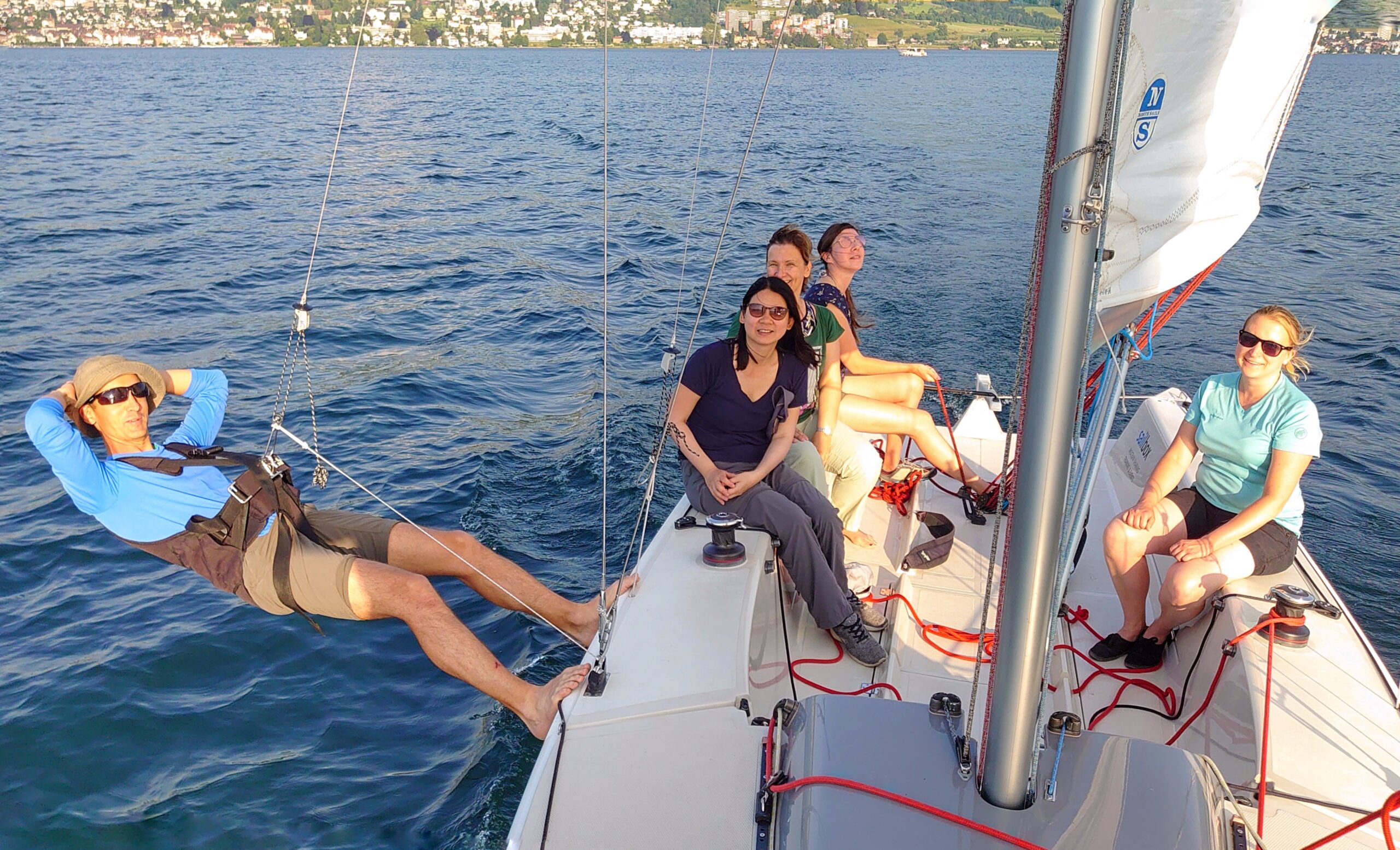
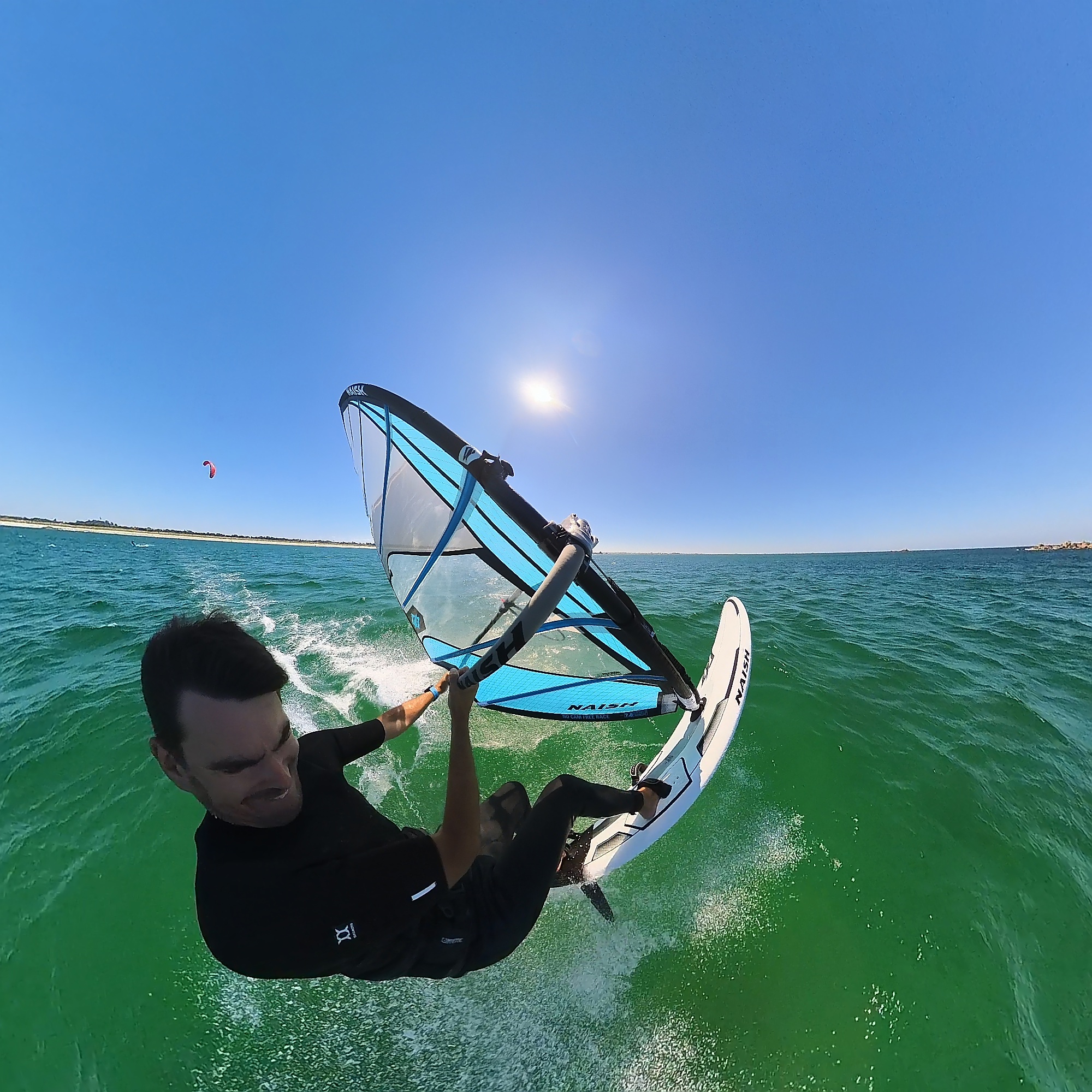
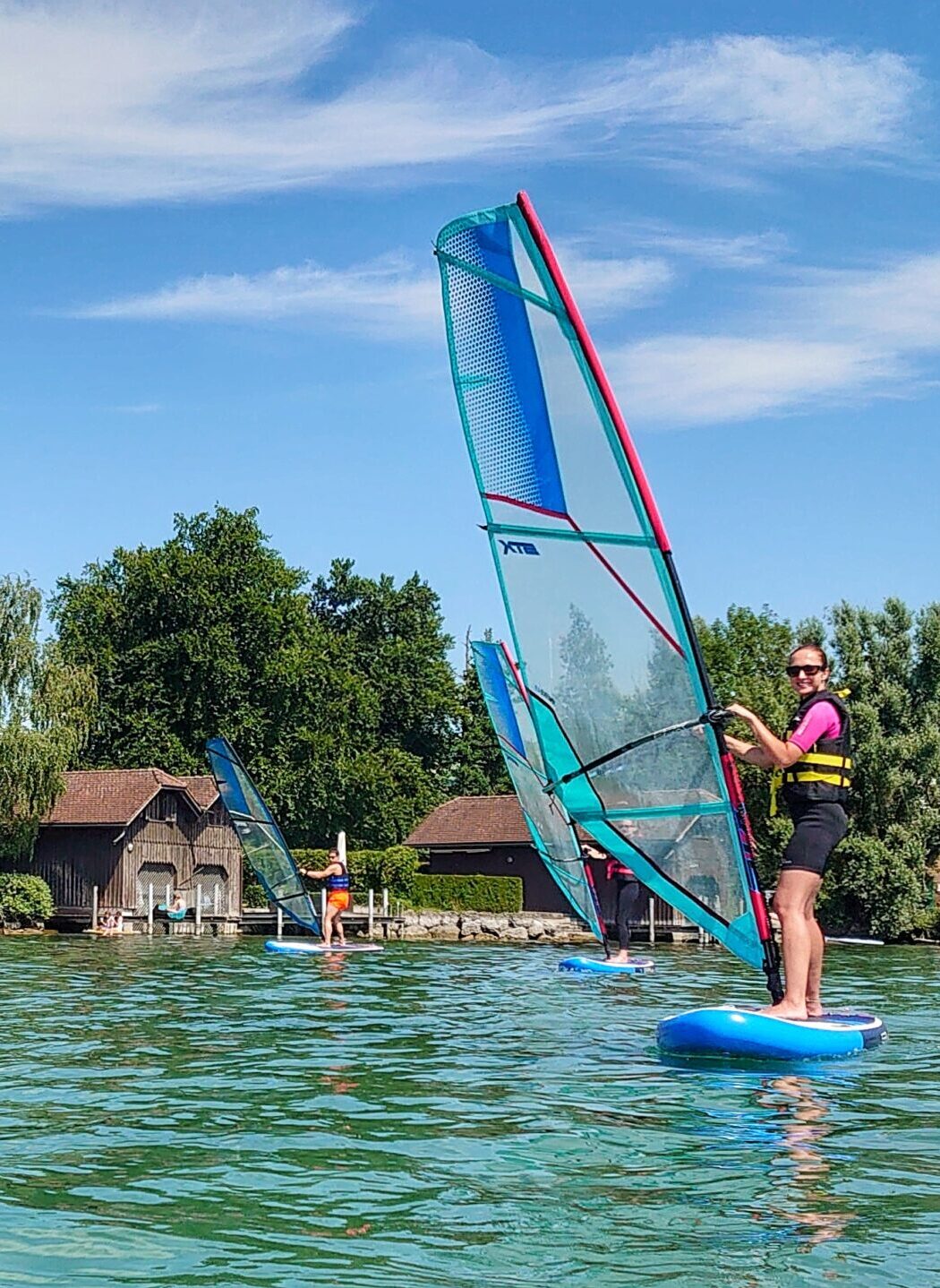
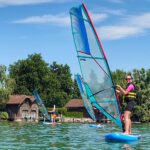
- Sailing & Windsurfing Coaching: From refining your skills closer to home on the Swiss Lakes (Zug/Zurich) to intensive skipper training weeks in the Mediterranean, we help you build practical, real-world capability.
Yes. Unlike the self-service port check-ins common in parts of Greece, Montenegro, or Croatia, Albanian maritime law mandates that all foreign-flagged yachts use a licensed local maritime agent to manage both entry and exit procedures at official ports of entry (such as Sarandë or Durrës). While this incurs an agency fee, it ensures the paperwork—including the required domestic transit log and border police clearance—is managed efficiently and legally.
The primary navigational challenges are undocumented or poorly marked fish farms (such as those inside Porto Palermo) and widespread chart inaccuracies. Many digital charts feature incorrect depth soundings along the shallow northern lowlands, and seasonal buoys are frequently missing or off station. Skippers must rely on vigilant visual piloting, monitor the depth sounder closely, and maintain conservative margins when approaching the shore.
Yes, but with specific zonal restrictions. Private vessels are permitted to anchor overnight in the sheltered south-eastern corner of Sazana Island, which provides excellent holding and protection. (but is not accurately charted!) However, overnight stays are still, at the time of writing, prohibited inside the main harbour basin itself. While you are allowed to tie up inside the harbour during the day to explore the island’s abandoned Cold War installations, skippers should be prepared for significant congestion. On summer weekends, the harbour becomes exceptionally busy with a large number of local day-tripper boats and commercial tour vessels, making space limited and the mooring area highly active.
No, Albania is not recommended for a first-time charter or less-experienced skippers. The lack of modern yacht marinas, poor bottom holding in several open bays, unexpected wind acceleration zones off coastal cliffs, and strict international border control protocols require advanced seamanship and confident anchoring techniques. For a first bareboat trip, simpler cruising grounds with developed marine infrastructure are highly preferable.
There is a persistent rumour among international cruisers regarding naval mines and warning flags along this coastline, but the reality is far more mundane. While deep-water naval mines from historical regional conflicts do exist in deep, offshore shipping channels, they present no practical risk to a standard cruising yacht. The small black flags you see dotted close to the shoreline are not mine markers; they are simply local, improvised markers for subsurface fishing nets. Local fishermen regularly travel slowly up and down the coast to manage these nets. When navigating coastal waters, skippers should maintain a sharp lookout for these black flags to avoid fouling their keel or propeller, treating them purely as standard fishing hazards rather than military exclusion zones.

No responses yet