
If you spend enough time around marinas, you will inevitably hear someone preaching absolute rules. “Always tie your bowline with the tail inside.” “Never put two lines on the same cleat.” “Always secure the windward mooring line first.”
In sailing schools, beginners are taught these strict, black-and-white rules because they need scaffolding. When you are just starting out, a rigid script keeps you safe. But as you gain experience, you realise an uncomfortable truth: The wind does not read the textbook.
I grew up navigating the complex tides and unpredictable weather of Ireland’s Fastnet coast, and recently went through the grinder of upgrading to an RYA Yachtmaster Commercial Endorsement. When you are put under that kind of professional pressure, you are forced to re-examine every habit you have.
The biggest takeaway? Out on the water, “always” and “never” will eventually get you into trouble. The best sailors don’t just follow a script—they read the environment, sense the rhythm of the boat, and adapt to reality.
Here is why practical seamanship means building a toolbox of options, rather than memorising a list of rules.
1. The Bowline Debate: Choose a tail layout for your application
Ask a number of sailors how to tie a bowline, and you’ll get multiple answers. People will fiercely argue whether the tail should finish inside the loop (for neatness) or outside the loop (so it doesn’t snag).
Here is the reality: Neither is wrong. Both hold the boat. If you are screaming at your crew because they tied a secure, load-bearing bowline with the tail on the “wrong” side during a 30-knot squall, you are missing the point of seamanship. The goal isn’t textbook perfection; the goal is a secure vessel. Learn both methods so you have options, but prioritise competence over aesthetics.
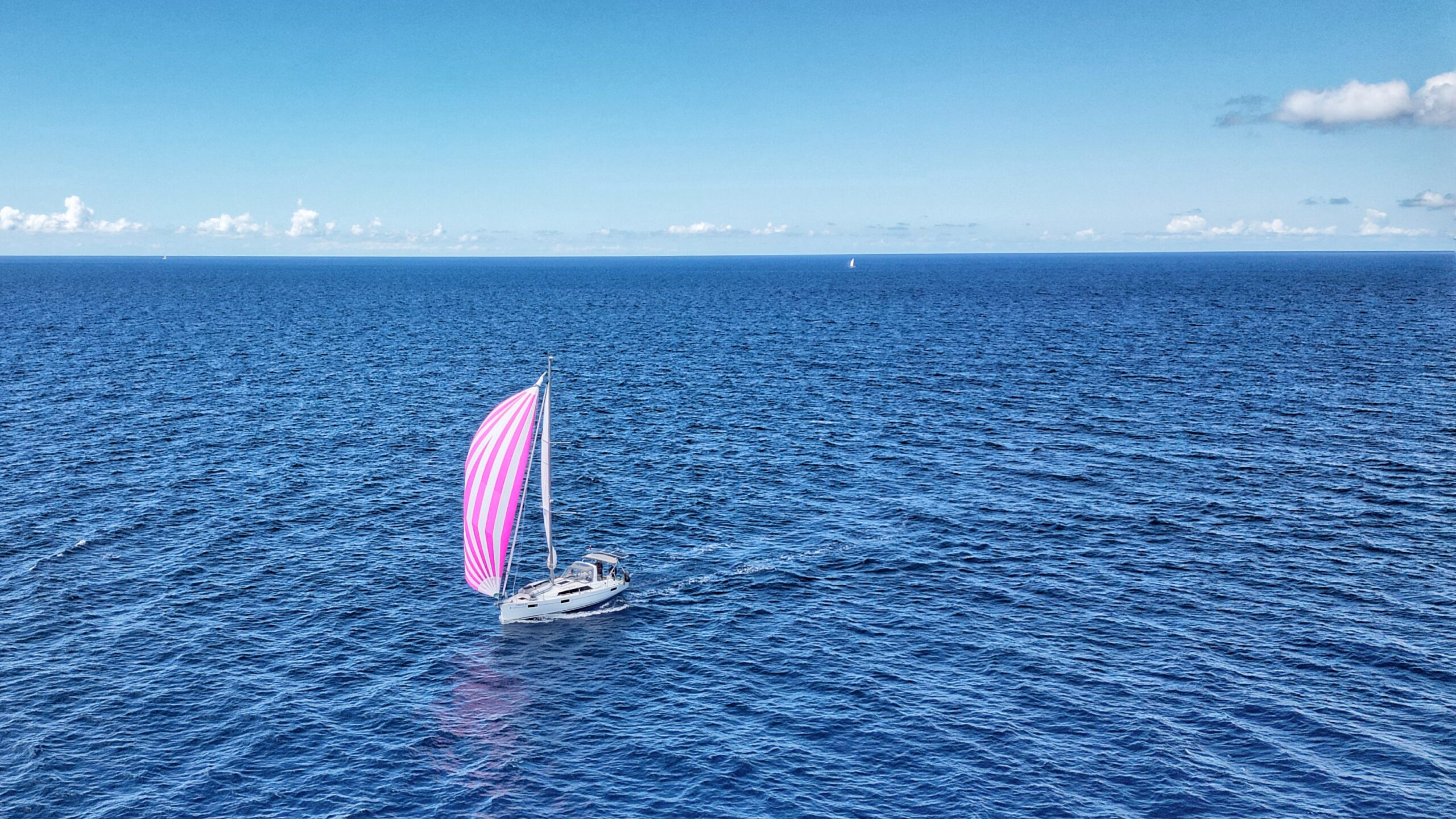
2. The Med Mooring “Rule” (And When to Break It)
There is a classic rule for stern-to Mediterranean mooring in a crosswind: “Always pick up the windward line first to hold the bow against the breeze.” 90% of the time, that is exactly what you should do. But what if the crosswind is howling at 25 knots? What if you are driving a clunky long keel boat with no bow thruster, and you know for an absolute fact that the wind is going to blow your bow onto the neighbouring yacht before your crew can tension that windward line?
In that exact moment, an adaptable skipper throws the textbook out the window. They might deliberately choose the leeward line first. By loading the leeward side of the boat with every fender you own and using the leeward slime line to control your drift, you can lean gently and safely into the neighbour’s boat while you sort yourself out.
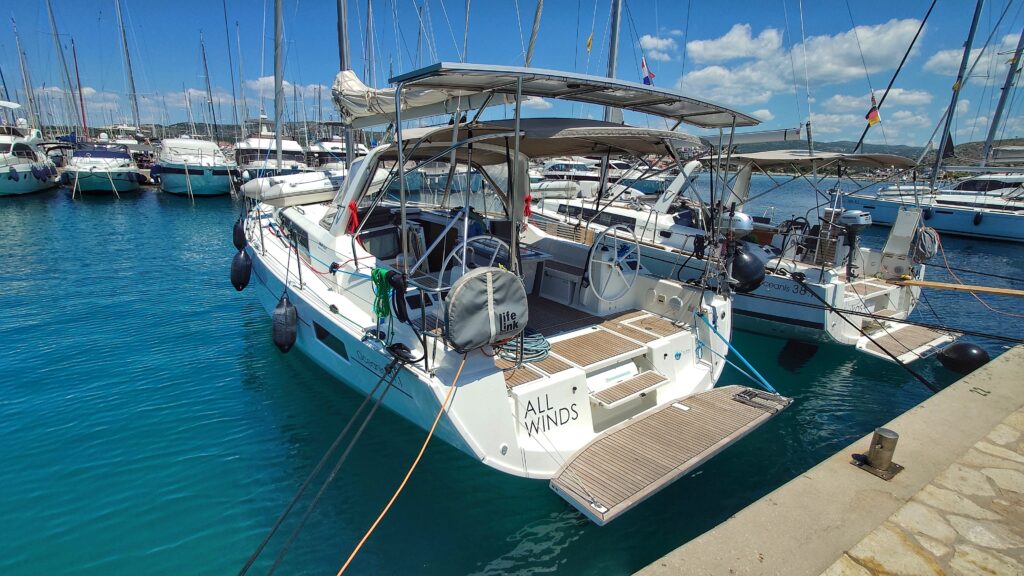
Is it the “textbook” way? No. Is it the safe, seamanlike way to control the chaos in that specific moment? Absolutely. We learned this the hard way, trying to stay off another boat when docking shorthanded with quite a strong wind on the windward bow. I realised that instead of fighting the wind to keep us off a neighbouring boat and risking damaging it if I lost control, I could use the opposite line to rest against it in control and also have the advantage that the windward mooring line could safely be pulled up without the risk of us getting blown over it! win/win and a lot less stress when docking on All Winds.
3. Eyes Out, Not Down
Modern chartplotters and wind instruments are brilliant tools, but they lag behind reality. You cannot sail a boat purely by the numbers on a screen.
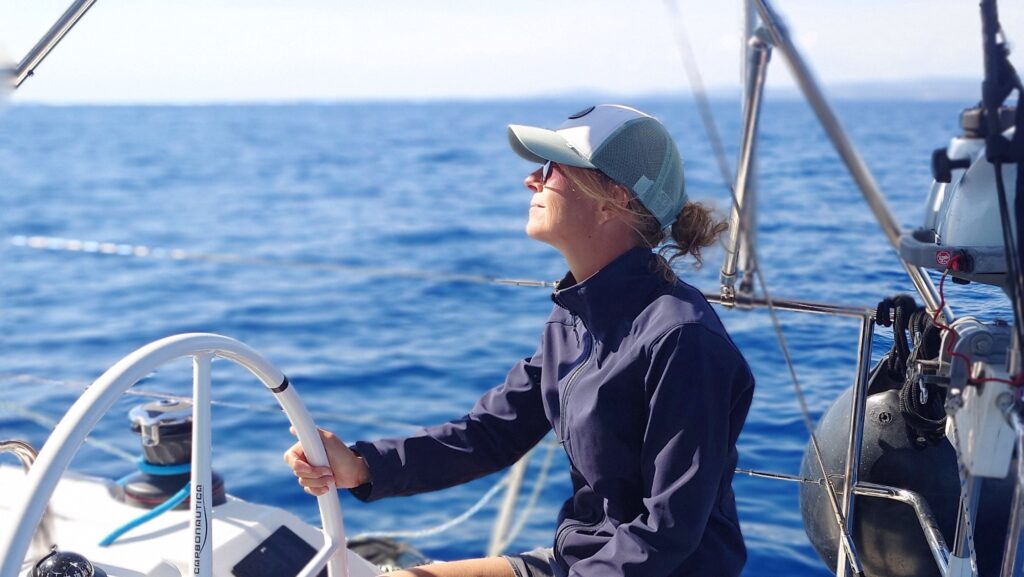
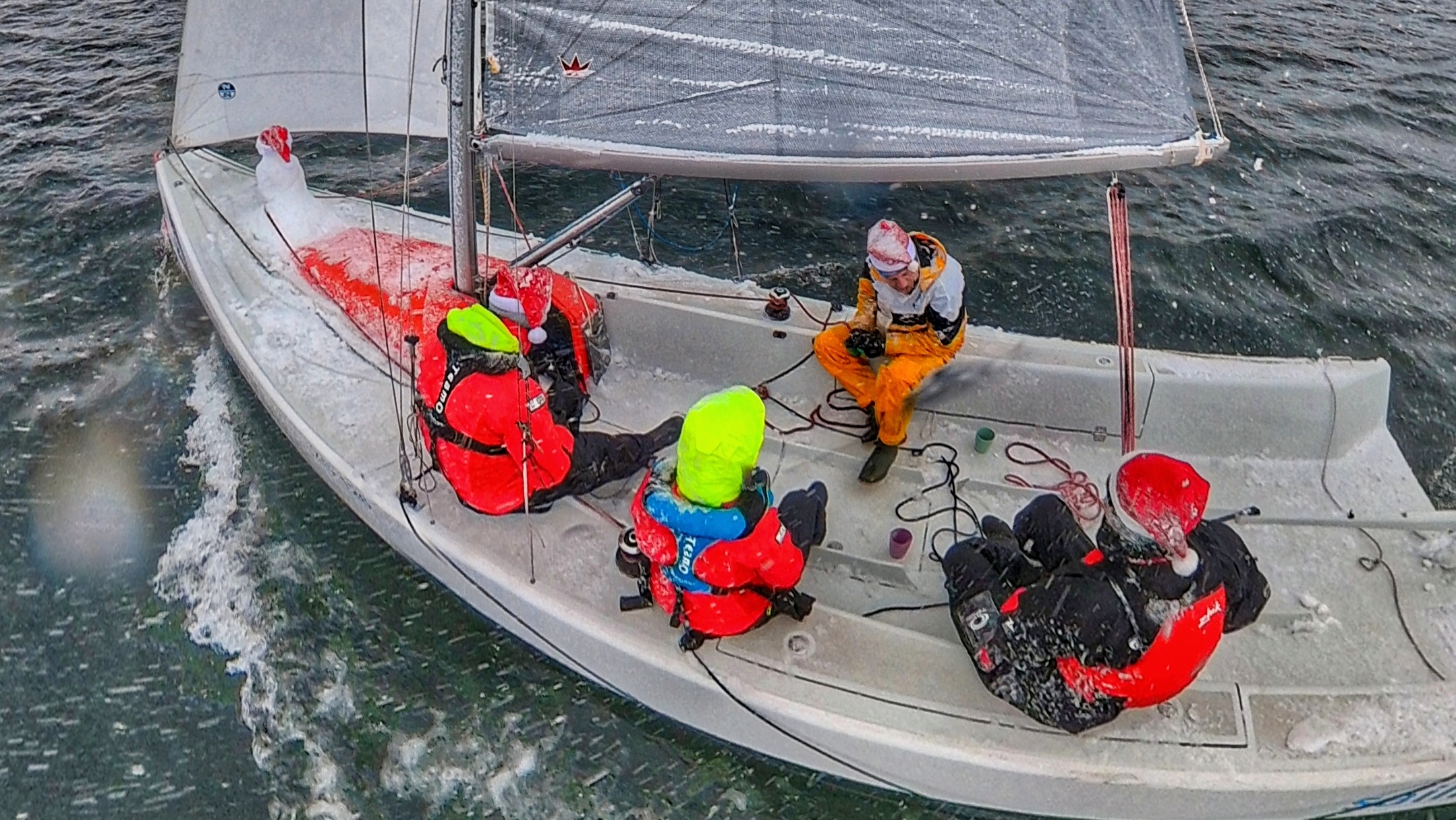
The true skill of a sailor, windsurfer, or winger lies in feeling the wind before the digital dials register it. You feel it in the lift of the sail, the balance under your feet, and the faint shift of pressure against your cheek. You see it in the dark ripples of a gust moving across the water toward your bow.
Keep your head out of the boat. Use your senses first to anticipate the environment, and then glance down at your instruments to confirm what you already know.
4. Bowline on a Cleat
There is a common warning repeated around marinas: “Never put a bowline on a cleat, because if the line gets jammed when slipping, you’ll have to cut it.” While there is a grain of truth to the warning regarding bad line management, discarding the setup entirely means you miss out on a very clean, practical layout.
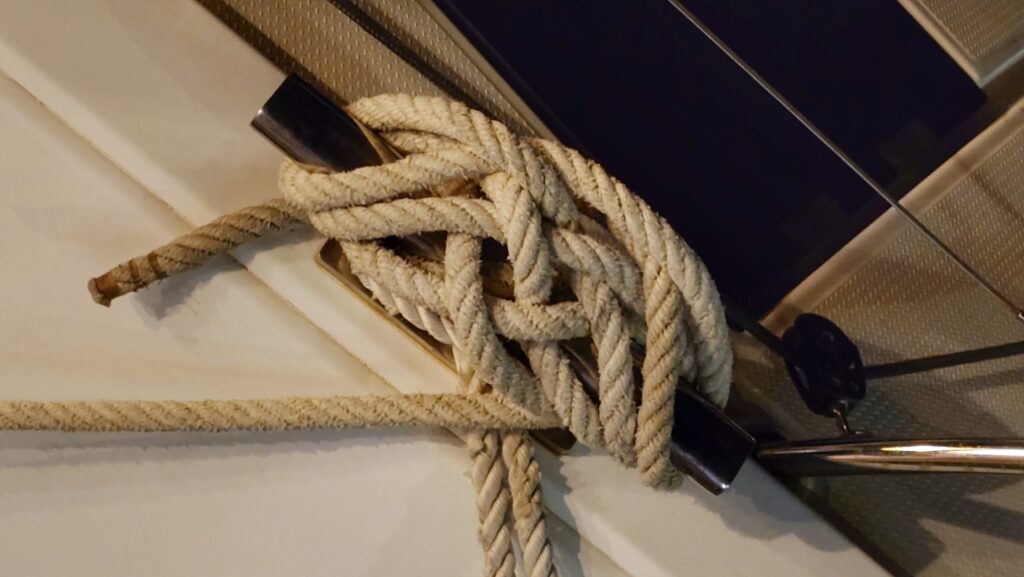
When rigging a slip line for departure, using a bowline actually gives you an exceptionally tidy deck. You can tie a bowline with a large loop, pass that loop right through the centre opening of your boat’s deck cleat, and ensure the loop is big enough that the actual knot sits well away from the cleat and completely clear of the hull. From there, run the line out around the dock bollard, and bring it straight back to a standard cleat hitch on that exact same cleat on your deck.
This leaves your cleat completely organised and easy to manage short-handed. Yes, there is a minor risk that a line could get stuck in an absolute emergency, meaning you would have to cut the bowline side. But with good rope handling and proper preparation before departure, that risk is almost entirely negated, and you are left with a tidier, easier setup on the boat.
On “All Winds”, we unashamedly tend to go for a bowline, around the bollard and back to the cleat for a cleat hitch, but if we suspect we will have a problem in advance, we may revert to two cleat hitches. We are not stuck to one method, we have both in our toolbox and pull out the one that is best for the current situation.
The One Exception: Safety is Black and White
There is only one exception to our flexible “it depends” philosophy: Safety.
Safety is not a choice. If a knot slips under load, it’s wrong. If a manoeuvre injures your crew or damages the vessel, it’s wrong. Even the highest levels of RYA examination align with this. They don’t mandate a single, rigid “Man Overboard” manoeuvre; they simply require you to get the person back to the boat quickly and safely. The method is entirely up to the skipper’s judgment of the current conditions.
We adapt the method, but we never compromise the standard.
Build Your Own Toolbox
At All Winds Adventures, we are not here to judge your technique—we’re here to expand it. We want you to build a mental toolbox so full of options that you never feel stuck, no matter what the wind throws at you.
The best sailors aren’t those who never make mistakes; they are the ones who have the awareness and adaptability to keep their crew safe when the “textbook” way fails.
Ready to Add to Your Toolbox?
Whether you want to connect with fellow wind-chasers on an informal social evening sail on Lake Zug, or you are ready to build serious offshore capabilities during an intensive Skipper Confidence weeks in Croatia, we have a spot on the boat for you.
Not at all. The RYA teaches standard procedures to ensure a baseline of safety and competence. Our philosophy is built on top of that foundation. Once you understand the rules (the science), we help you develop the judgment to know when to adapt them to the conditions (the art). This is the essence of advanced practical seamanship.
Absolutely. We believe the best way to learn is by doing. From Day 1, we get you active—taking the helm (steering) and controlling the sails. We focus on getting you sailing first so you can feel the excitement and let the passion build; the technical theory makes much more sense once you’ve felt the wind in your hands.
Mile building is often just about logging distance—you are a passenger for long stretches. Skipper Coaching is about decision-making. You take the helm, you make the docking plans, and you manage the crew, all under the guidance of an instructor who helps you refine your technique rather than just taking over.
Absolutely not. The strict rules taught in sailing schools (like the RYA Day Skipper or ASA 101) are critical foundations. You have to know the rules perfectly before you can safely bend them. Think of those lessons as the first few tools in your box—we are just helping you add more.
Remove the pressure. Don’t practice new docking techniques in a crowded marina on a Sunday afternoon. Go out into an open, quiet anchorage, throw a spare fender overboard to act as your “dock,” and practice your approaches, prop walk, and boat handling where a mistake costs absolutely nothing. When you come back to the Marina, choose an empty dock on a no-wind day where the consequences are low, then build up your confidence and skills slowly.
Time on the water in different environments. If you only ever sail the same boat in the same bay, your toolbox stays small. Exposure to different boats, different tidal flows, and different skippers forces you to adapt. Also learning how to sail small boats or do other wind sports like windsurfing or winging is great for wind awareness.

No responses yet